

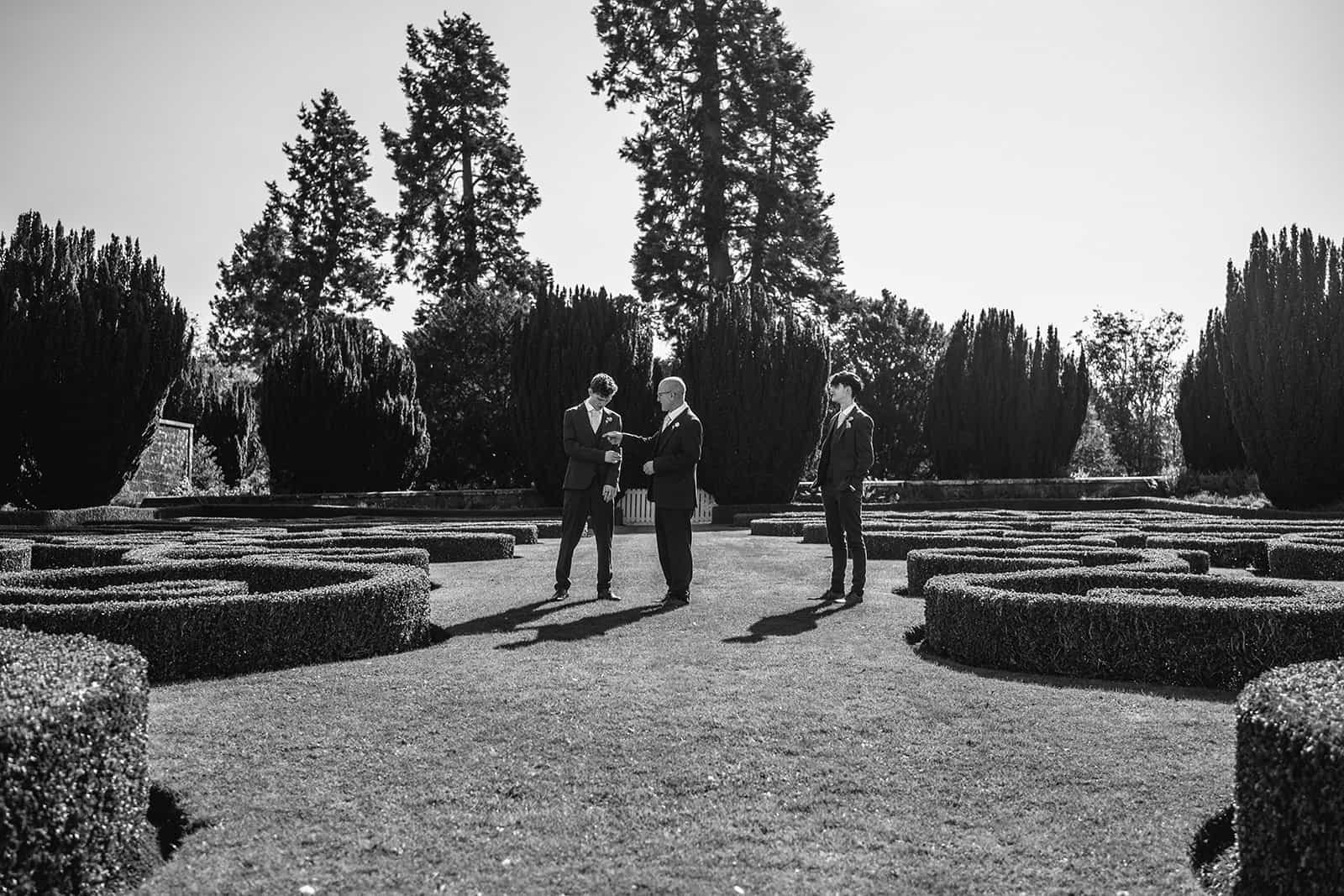
Wedding Day Timeline: How to Build Time for Yourselves
Your wedding day will go fast. Everyone says it and everyone is right.
But here’s what most people don’t mention: the couples who feel most present are the ones who built a little space into their day. Not a packed, minute-by-minute schedule. Just enough room to breathe, look at each other, and actually take it in.
This guide is for couples who want their day to feel like theirs. Not a photoshoot. Not a performance. Just a really good day with the people they love.
Start With the Essentials
Before you add anything else, get the big anchors in place. These are your non-negotiables:
- Arrival and getting-ready times, including travel and a buffer
- Ceremony start time
- Photography sessions, like couple portraits and family groups
- Meal times so guests aren’t left waiting
Once the essentials are set, you can build everything else around them.
Buffer time is the most important thing many couples skip. Hair or make-up can run over, guests move slower than you expect, or something small gets forgotten. Allowing extra time prevents these hiccups from affecting the rest of your day. One simple rule is to add a third more time than you think you need for each section.
Include Quiet Moments for Just the Two of You
Many timelines miss this. Carving out a moment just for you both can completely change how the day feels.
This could be:
- A first look before the ceremony
- A private walk during your portrait session
- Ten minutes alone after the ceremony before joining your guests
It may seem small, but couples who do this often say it was their favourite part of the day. Not the big set pieces, just a few minutes to stop, hold hands, and actually feel where they are. Being calm and connected also shows in your photos.
Think About Your Guests Without Losing Yourself
You want your guests to have a good time, but you also need to stay present. Planning ahead makes it easier to do both.
- Keep group photos short and focused. Make a list in advance and share it with your photographer and someone helping with family wrangling. Twenty to thirty minutes is plenty.
- Batch speeches together. It keeps guests engaged and prevents long gaps that feel awkward.
- Avoid dead time. Gaps where guests have nothing to do drag on and can leave them frustrated. Drinks receptions or small activities can fill these naturally.
Leaving room in your day means that if something overruns, your guests don’t get stuck waiting while the next part of the day is delayed. Everyone can enjoy the day, including you.
Flexible vs. Rigid Timelines
A timeline is a guide, not a script. A rigid schedule can make your day feel like a checklist. You spend the whole time watching the clock instead of watching each other.
A flexible timeline keeps things moving without making every small delay a crisis.
- Share your timeline with suppliers in advance so everyone knows the plan
- Ask your photographer and venue coordinator what’s realistic
- Include buffers so mistakes or overruns don’t ripple through the day
- Agree on a point of contact for questions so you don’t have to be the middle person
The best timelines let you relax into the day while keeping everything running smoothly.
A Timeline Is a Tool, Not a Script
The weddings that feel perfect are rarely the ones that run exactly on time. They are the ones where the couple felt calm, connected, and present.
A good timeline helps you stop managing the day and start living it. Think about what matters most to you both, build around that, and let the rest fall into place.
Want Help Thinking It Through?
You don’t have to figure this out on your own.
If you’d like to talk through how your day might look, I’m happy to help. No hard sell, no pressure, just a chat about what would make your day feel right for you.
Get in touch here and drop me a message. I’d love to hear about your plans.